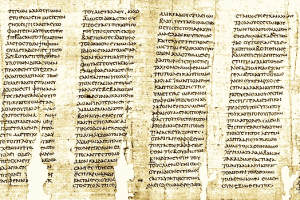
1559 Genève se met à l’étude du grec, Tribune de Genève 2/7/2010

La scène est célèbre. Elle se situe à l’acte III desFemmes savantes,le brûlot écrit par Molière en 1672 (et en alexandrins) contre l’instruction des dames et demoiselles. Un homme «vêtu de noir et parlant d’un ton doux» se voit admis au gynécée (tiens, un mot grec!).

Trissotin:«Il a des vieux auteurs la pleine intelligence/Et sait du grec, Madame, autant qu’homme en France. »
Philaminte:«Du grec, ô Ciel, du grec! Il sait du grec, ma sœur!»
Bélise:«Ah, ma nièce, du grec!»
Armande:«Du grec! Quelle douceur!»
Philaminte:«Quoi, Monsieur sait du grec! Ah permettez de grâce/Que pour l’amour du grec, Monsieur, on vous embrasse. »

Languages and Business Today and Solutions for Tomorrow, Lisbon 1-2/10/2010

Languages and Business Today and Solutions for Tomorrow

Lisbon (Portugal), 1 & 2 October 2010

The financial crisis recently struck the global economies and its effects continue to be felt. Our conference last year, in Geneva in 2009, showed how changes have been occurring quickly in the language industries and the training of trainers.
Along these lines, we invite you to continue this essential reflection and to join us for the conference entitled “Languages and Business Today and Solutions for Tomorrow” organised by the International Association Language and Business (IALB) and the international network Tradulex, in Lisbon, Portugal, on 1 and 2 October 2010.

How America got its name, Boston Globe, 4/7/2010


The suprising story of an obscure scholar, an adventurer’s letter, and a pun

Each July 4, as we celebrate the origins of America, we look back ritually at what happened in 1776: the war, the politics, the principles that defined our nation.

But what about the other thing that defines America: the name itself? Its story is far older and far less often told, and still offers some revealing surprises.